Sports Injury Treatment & Arthroscopy Surgery in Mumbai
Advanced care for athletic injuries and joint conditions in Mumbai. We utilize minimally invasive arthroscopy and customized rehabilitation to get you back in the game safely and quickly. We offer specialized sports injury treatment in Borivali, Mumbai for faster recovery and safe return to activity.
Ligament Repair/Reconstruction Surgery
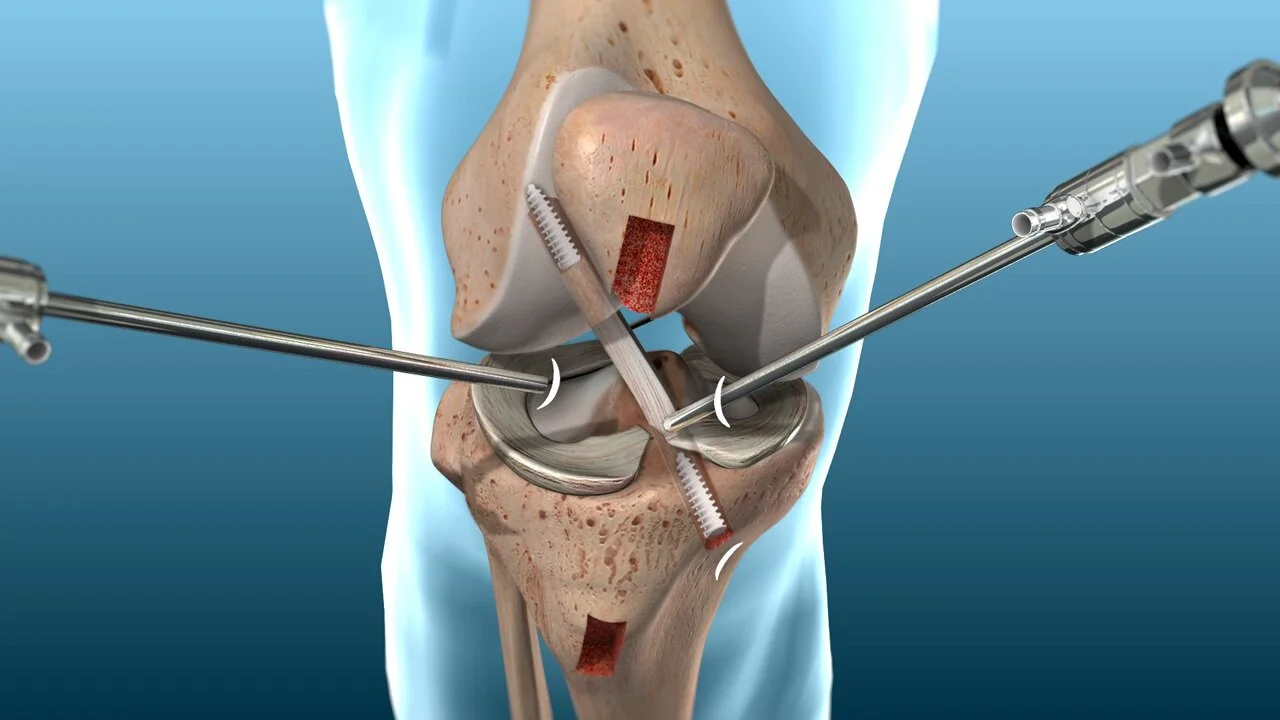
Ligament Repair / Reconstruction (ACL / PCL) is a surgical
procedure aimed at repairing or reconstructing torn
ligaments in the knee to restore crucial joint stability.
This procedure is ideal for patients looking for ACL/PCL
reconstruction surgery in Borivali, Mumbai.
- Commonly performed on athletes with knee instability due to ligament tears.
- Can involve repairing the torn ligament or reconstructing it using tissue grafts.
- Rehabilitation is essential for a successful recovery and return to normal activities.
Key Benefits
- Restores knee stability and function after ligament injuries.
- Reduces pain and significantly improves mobility.
- Helps prevent further knee cartilage damage and future injuries.
Procedure
Dr. Bafna specializes in ligament repair and reconstruction using advanced arthroscopic techniques in Mumbai. The procedure typically involves either reattaching the torn ligament or replacing it with a graft, followed by a structured rehabilitation program.
Frequently Asked Questions
Meniscus Repair Surgery
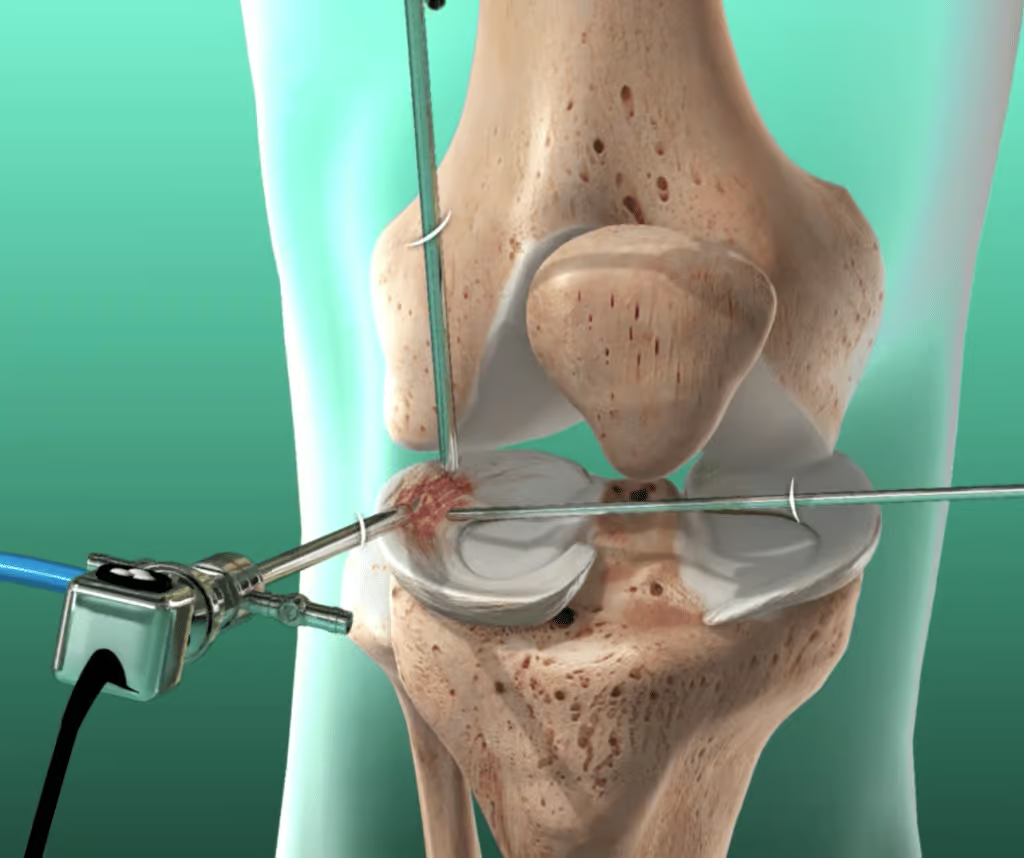
Meniscus Repair is a minimally invasive arthroscopic
procedure to fix a torn meniscus—the critical C-shaped
cartilage that acts as a shock absorber between your
shinbone and thighbone.
This procedure is ideal for patients looking for meniscus
repair surgery in Borivali, Mumbai.
- Frequently occurs during sports that require sudden pivoting, turning, or twisting.
- Can be treated with partial meniscectomy (trimming) or direct suturing (repairing).
- Preserving the meniscus is highly prioritized to prevent early-onset arthritis.
Key Benefits
- Preserves the natural cushioning of the knee joint.
- Alleviates catching, popping, or locking sensations in the knee.
- Minimally invasive arthroscopic technique minimizes tissue damage and scarring.
Procedure
Using tiny incisions and a specialized camera (arthroscope), the surgeon precisely evaluates the tear in Mumbai. Depending on the tear's location and severity, it is either stitched together using specialized anchors or cleanly trimmed.
Frequently Asked Questions
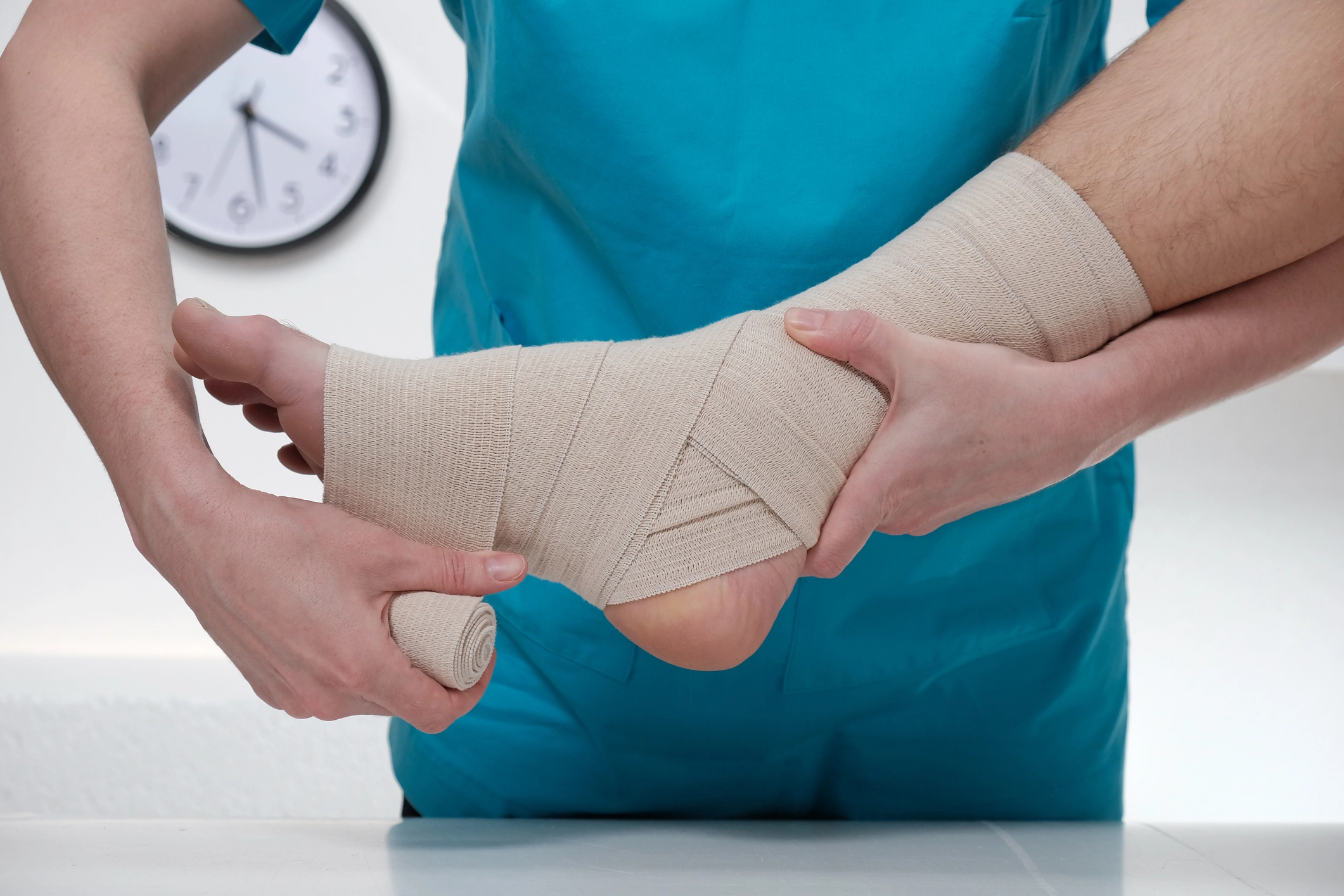
Sprains & Strains Treatment
Sprains and Strains are common injuries involving ligaments
and muscles. Sprains occur when ligaments are stretched or
torn, while strains refer to the overstretching or tearing
of muscles or tendons.
This treatment is suitable for patients looking for sprains
and strains treatment in Borivali, Mumbai.
- Sprains often occur in ankles and knees, while strains commonly affect the back and hamstrings.
- Emphasis on Rest, Ice, Compression, and Elevation (RICE) for immediate care.
- Severe cases may require surgical intervention or PRP therapy.
Key Benefits
- Targeted treatment for ligament and muscle injuries, reducing recovery time.
- Focus on injury prevention to reduce the risk of future tears.
- Custom rehabilitation programs to fully restore strength and flexibility post-injury.
Procedure
Dr. Bafna specializes in diagnosing and treating both sprains and strains in Mumbai. His approach includes personalized rehabilitation plans, PRP therapy for faster healing, and surgical arthroscopic options for severe, non-healing cases.
Frequently Asked Questions
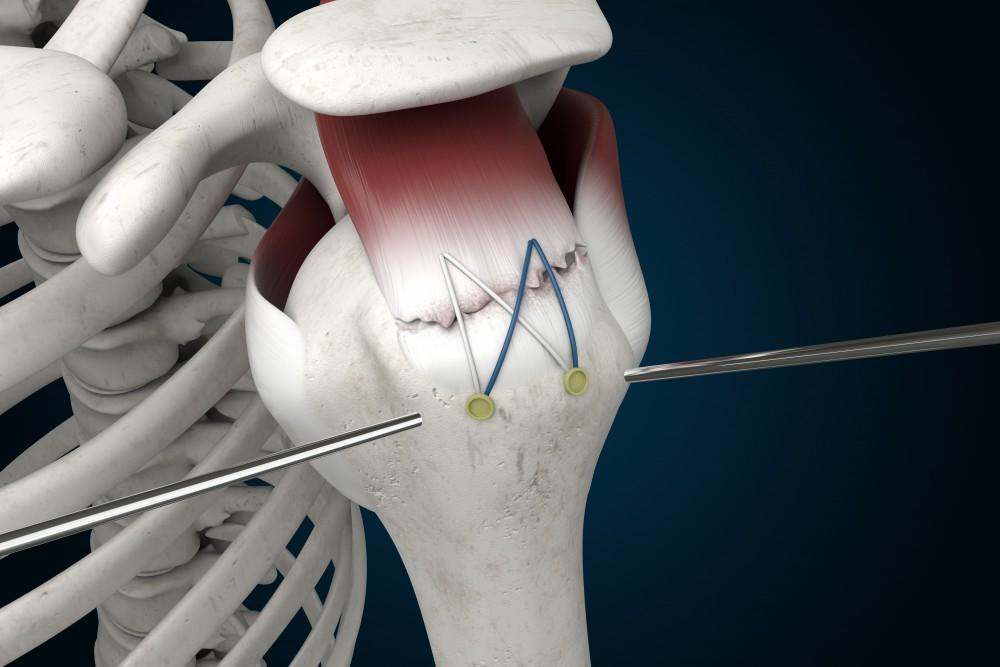
Rotator Cuff Repair Surgery
Rotator Cuff Repair is an advanced arthroscopic procedure
designed to reattach torn tendons in the shoulder, restoring
strength and alleviating chronic pain caused by sports
injuries or repetitive overhead use.
This procedure is ideal for patients looking for rotator
cuff repair surgery in Borivali, Mumbai.
- Commonly affects athletes in throwing sports, tennis, or swimming.
- Characterized by weakness, pain when lifting the arm, and difficulty sleeping.
- Often performed arthroscopically for smaller incisions and much quicker recovery.
Key Benefits
- Dramatically reduces or completely eliminates severe shoulder pain.
- Restores arm strength and full overhead mobility.
- Prevents further tearing and degeneration of the shoulder joint over time.
Procedure
Performed using an arthroscope, the surgeon clears away damaged tissue or bone spurs, then uses specialized suture anchors placed into the upper arm bone (humerus) to securely reattach the torn rotator cuff tendon.