Advanced Joint Replacement in Mumbai
Regain your mobility with uncompromised precision. We offer state-of-the-art robotic and minimally invasive surgical solutions tailored for rapid recovery.
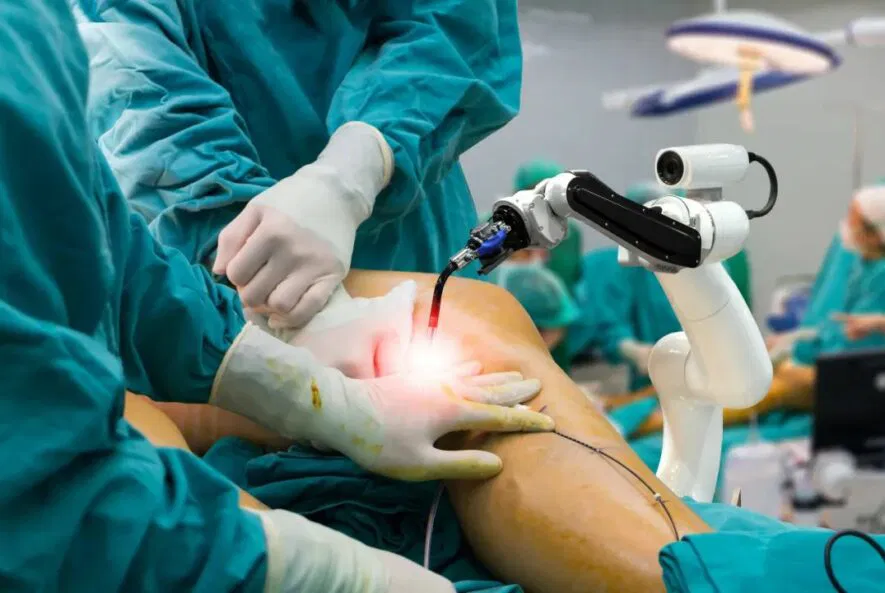
Robotic Knee Replacement Surgery
Robotic knee replacement surgery is an advanced form of knee replacement that uses robotic
assistance for enhanced precision in Mumbai.
This procedure is ideal for patients looking for advanced robotic knee replacement surgery
in Borivali, Mumbai.
Key Benefits:
- Higher precision in implant placement.
- Minimized damage to surrounding tissues.
- Improved post-surgical outcomes and joint function.
- Reduced recovery time and pain.
Procedure:
Using a robotic arm or navigation system, the surgeon maps the knee joint in 3D to plan the surgery. This detailed mapping enables customized treatment for each patient.
Frequently Asked Questions
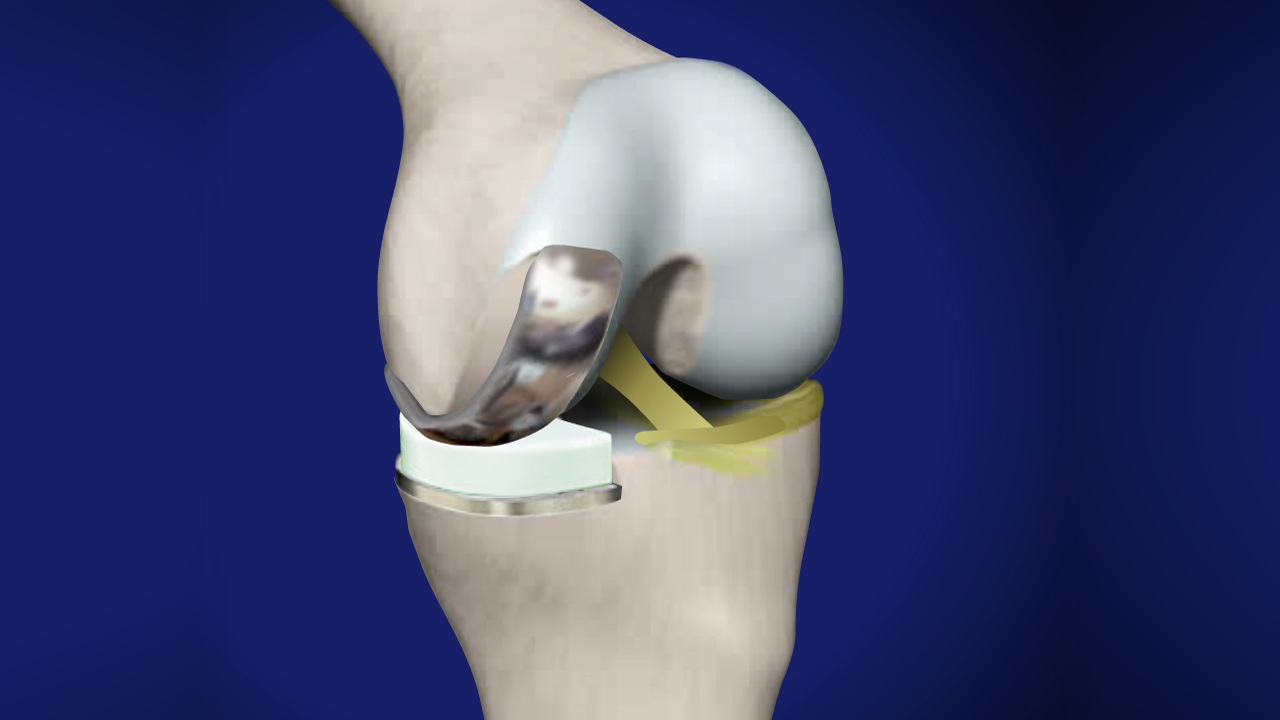
Partial Knee Replacement Surgery
Partial knee replacement surgery is a minimally invasive procedure designed for
patients whose arthritis is confined to a single compartment of the knee in Mumbai.
This procedure is suitable for patients seeking minimally invasive knee replacement surgery
in Borivali, Mumbai with faster recovery.
Key Benefits:
- Preserves healthy bone, cartilage, and vital ligaments.
- Feels more like a "natural" knee due to intact ligaments.
- Smaller incisions leading to less postoperative pain.
- Faster recovery and shorter hospital stays.
Procedure:
The surgeon carefully removes damaged cartilage and bone from only the diseased compartment (medial, lateral, or patellofemoral) of the knee. The removed tissue is replaced with custom-fitted metal and plastic components, leaving the rest of the knee completely untouched.
Frequently Asked Questions
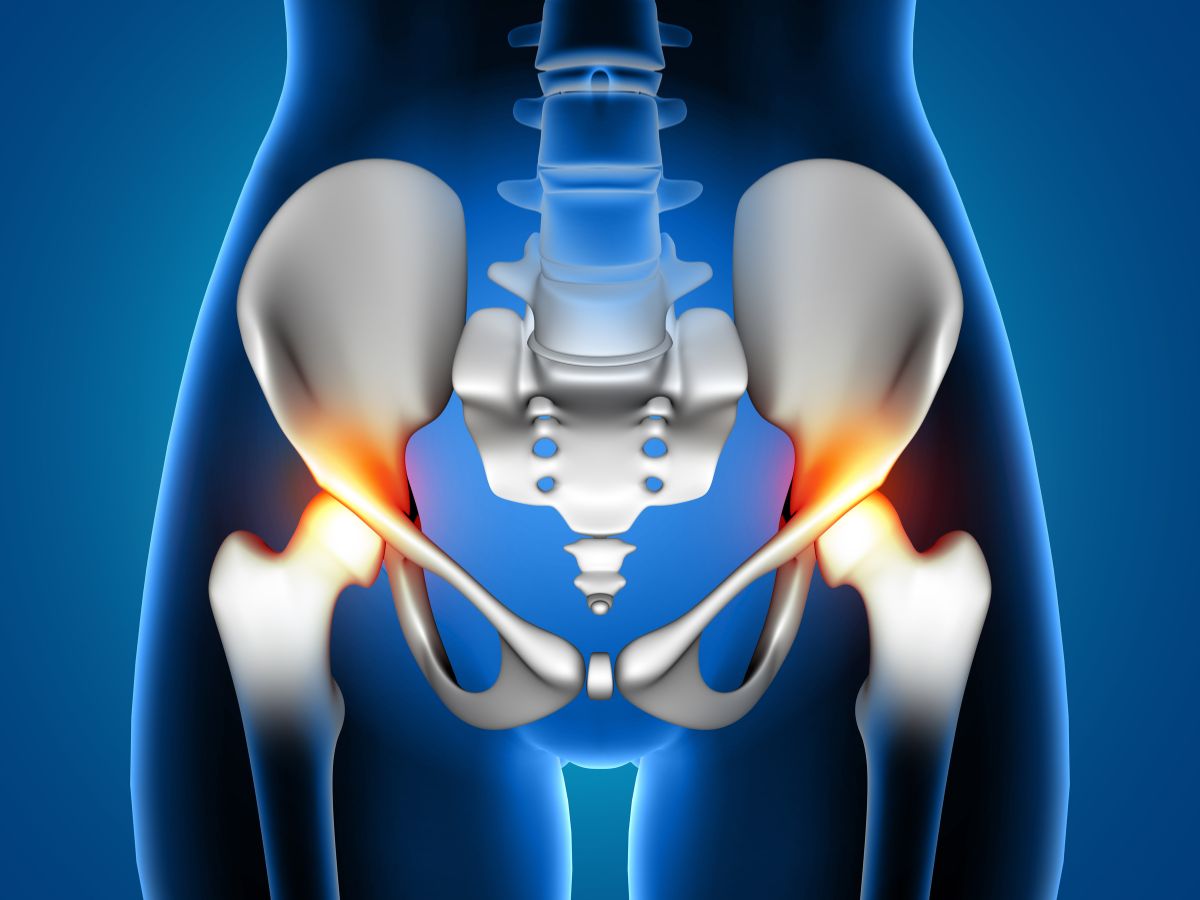
Total Hip Replacement Surgery
Total hip replacement surgery involves replacing a severely damaged or arthritic hip
joint with highly durable, bio-compatible prosthetics in Mumbai.
This surgery is recommended for patients experiencing severe hip pain and looking for
effective hip replacement surgery in Borivali, Mumbai.
Key Benefits:
- Immediate and permanent relief from debilitating joint pain.
- Restored range of motion, allowing for an active lifestyle.
- Muscle-sparing techniques ensuring maximum joint stability.
- High longevity of implants, often lasting a lifetime.
Procedure:
The worn-out ball-and-socket joint is meticulously removed. The damaged pelvic socket is resurfaced with a durable cup, and the arthritic femoral head is replaced with a high-strength prosthetic ball attached to a stem inside the femur.
Frequently Asked Questions
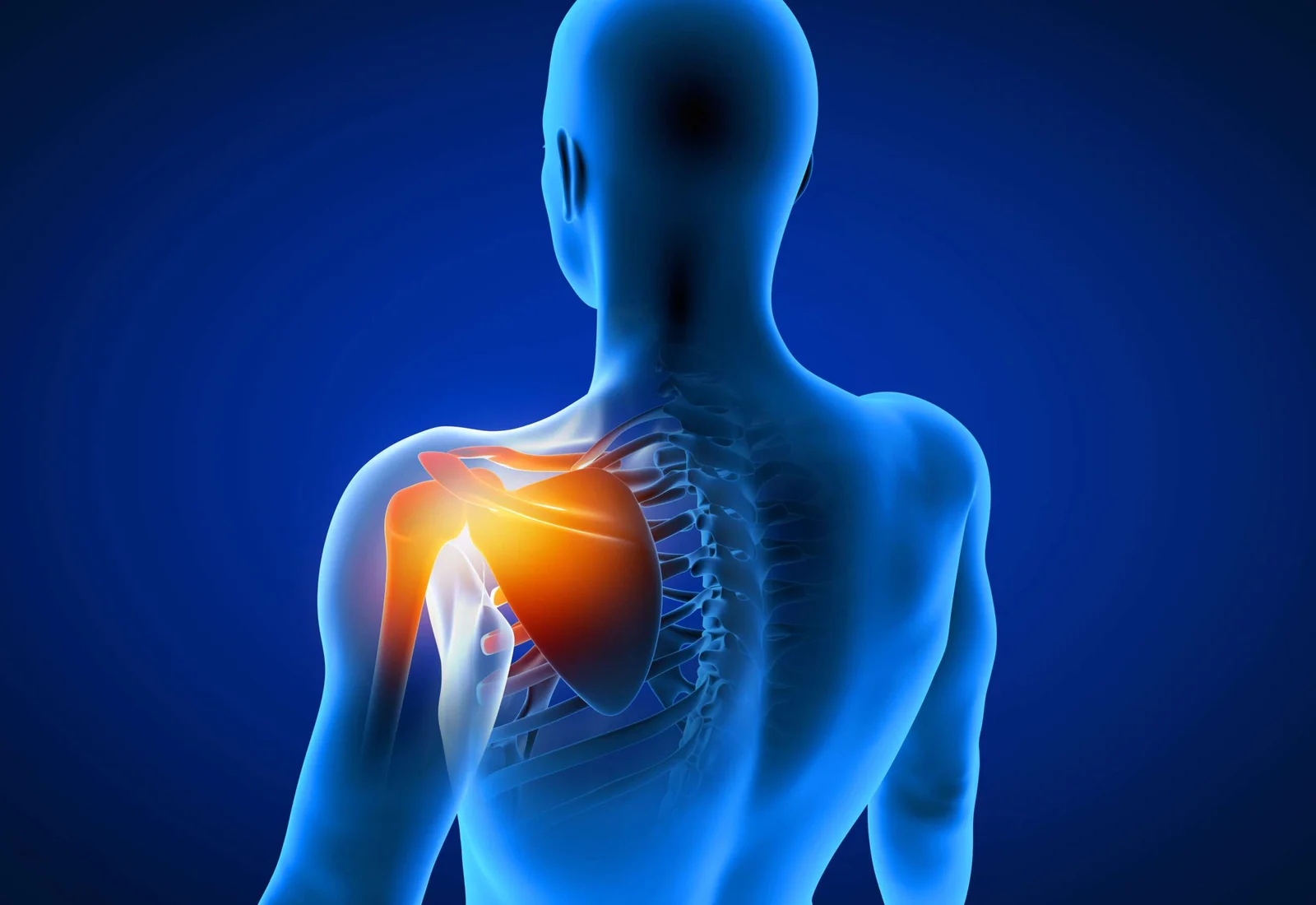
Shoulder Replacement Surgery
Shoulder replacement surgery is an advanced procedure designed to alleviate chronic
shoulder pain caused by severe osteoarthritis, rheumatoid arthritis, or rotator cuff
tear arthropathy in Mumbai.
This procedure is ideal for patients suffering from chronic shoulder pain and seeking shoulder
replacement surgery in Borivali, Mumbai.
Key Benefits:
- Significant reduction or total elimination of shoulder pain.
- Restored upper body mobility and improved arm strength.
- Substantially improved sleep quality due to pain relief.
- Highly customized implants (anatomic or reverse) based on condition.
Procedure:
The damaged humeral head (ball) is removed and replaced with a precisely fitted metal ball, while the glenoid (socket) is fitted with a smooth plastic surface. If the rotator cuff is severely torn, a "reverse" procedure is performed, swapping the ball and socket locations.