Fracture Treatment & Trauma Care in Mumbai
Expert emergency care and complex trauma reconstruction. We provide advanced surgical stabilization and multidisciplinary management to restore function and ensure optimal recovery.
Immediate Fracture Management
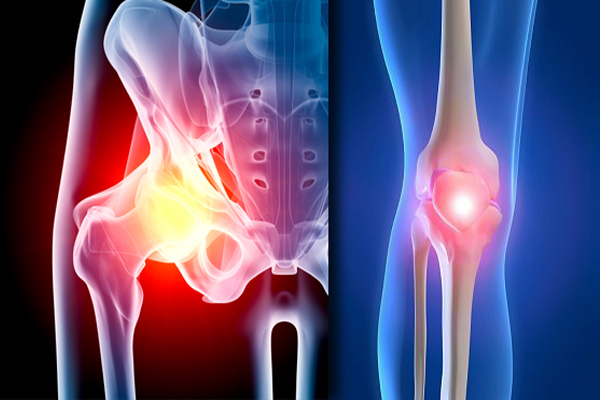
Immediate Fracture Management refers to the urgent treatment provided right after a fracture occurs to stabilize the injury, control pain, and reduce further damage to the surrounding tissues in Mumbai. This ensures timely fracture care and emergency orthopedic treatment in Borivali, Mumbai for faster recovery.
- Immediate immobilization using splints or temporary casts to prevent movement.
- Application of ice packs to aggressively reduce swelling and acute pain.
- Rapid assessment of the fracture type with advanced X-rays or CT scans.
Key Benefits
- Reduces the risk of complications such as nerve damage or severe bone displacement.
- Stabilizes the injury immediately, providing instant relief from shock and pain.
- Perfectly prepares the fracture site for further definitive treatment or surgery.
Procedure
Dr. Bafna employs the latest techniques in immediate fracture management in Mumbai, ensuring patients receive timely and highly effective care.

Frequently Asked Questions
Internal & External Fixation
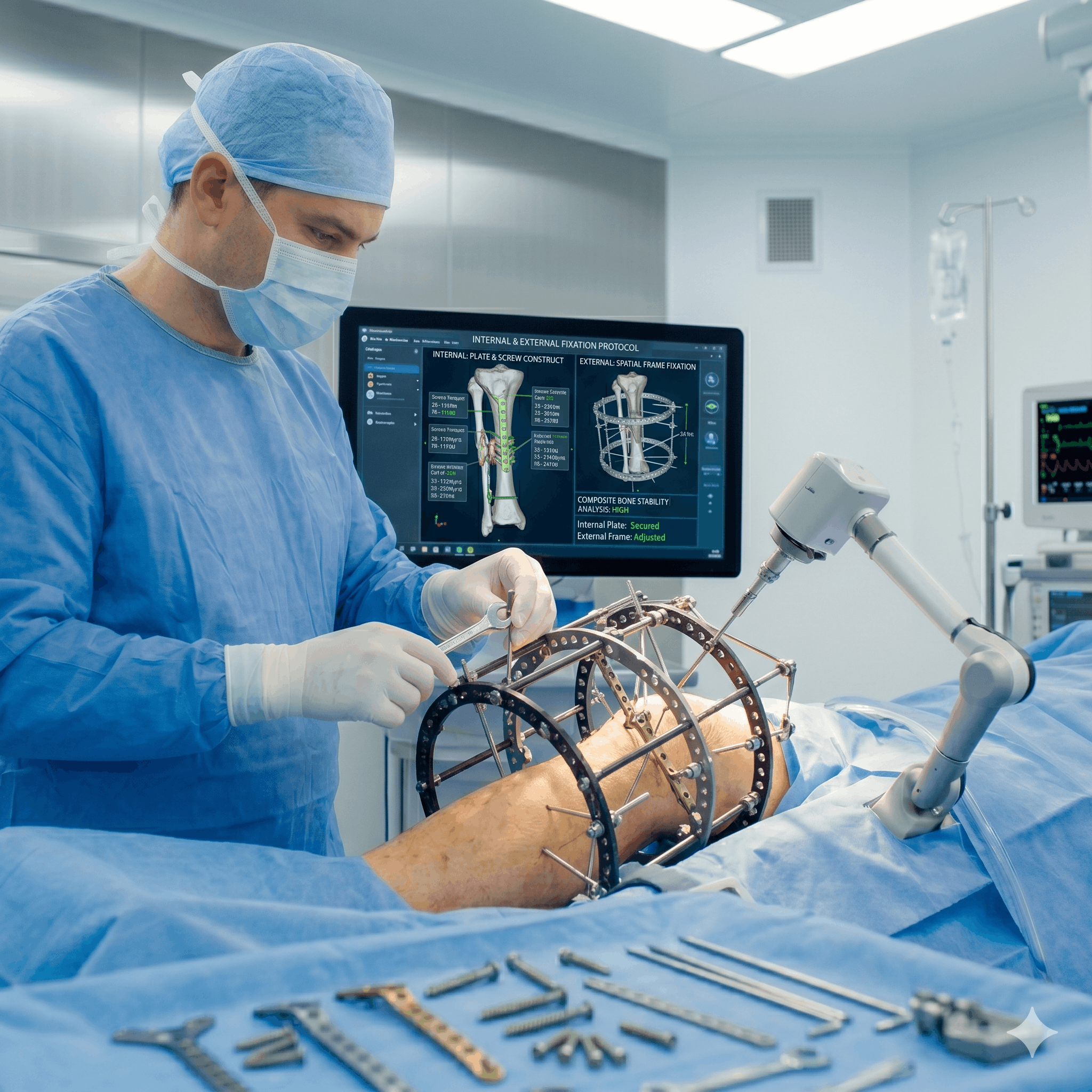
Surgical fixation involves using specialized orthopedic hardware like titanium plates, screws, or external frames to stabilize fractured bones perfectly, allowing for precise healing and anatomical alignment in Mumbai. This advanced fracture fixation treatment in Borivali, Mumbai ensures proper bone healing and faster rehabilitation.
- Internal Fixation: Uses plates and screws placed under the skin to hold bones together.
- External Fixation: Utilizes an outside frame connected to the bone with specialized pins.
- Highly effective for severe, displaced, or comminuted (shattered) bones.
Key Benefits
- Guarantees precise, anatomical alignment of broken bones.
- Allows for earlier mobilization and physical therapy compared to traditional casting.
- Highly reliable for complex fractures that struggle to heal naturally.
Procedure
Performed under anesthesia in Mumbai, the surgeon realigns the bone fragments (a process called reduction) and secures them securely using medical-grade hardware.
Frequently Asked Questions
Open Compound Fractures
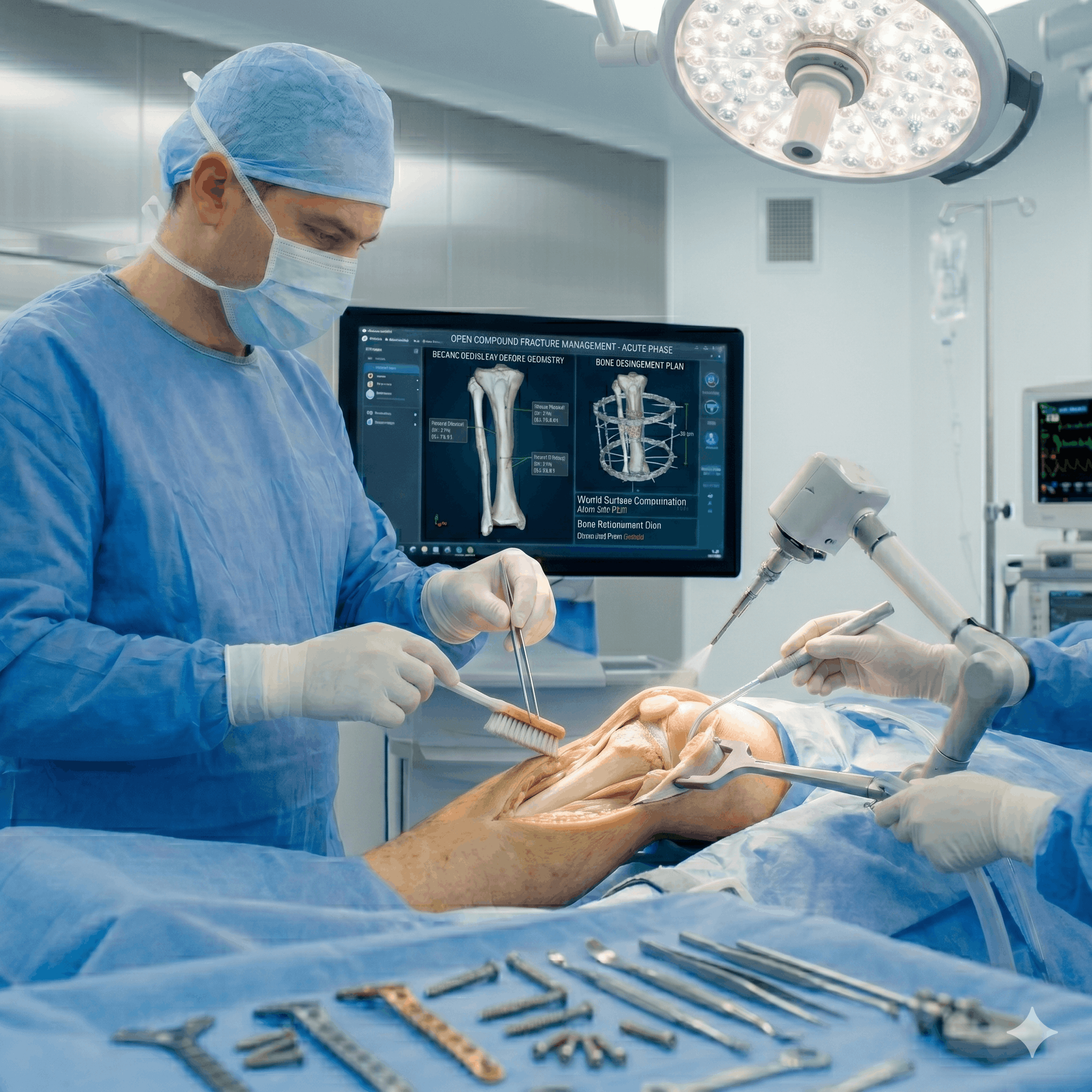
Open Compound Fractures are severe medical emergencies where the broken bone pierces through the skin, exposing the fracture site to outside contaminants and bacteria, requiring urgent treatment in Mumbai. Immediate surgical care for open fractures in Borivali, Mumbai helps prevent infection and ensures proper recovery.
- Highly susceptible to severe, deep-bone infections.
- Often accompanied by significant damage to muscles, tendons, and blood vessels.
- Requires immediate emergency surgical intervention to clean and stabilize the wound.
Key Benefits
- Rapid surgical cleaning (debridement) prevents life-threatening infections.
- Advanced fixation techniques save limbs that might otherwise be amputated.
- Comprehensive surgical approach restores both structural integrity and soft tissue health.
Procedure
Dr. Bafna specializes in the surgical treatment of open compound fractures in Mumbai. The procedure critically involves exhaustive wound debridement, stabilizing the bone securely with internal or external fixation, and administering strong intravenous antibiotics.
Frequently Asked Questions
Polytrauma & Complex Injury Treatment
Polytrauma refers to a critically injured patient suffering from multiple severe injuries simultaneously, often involving several fractured bones, internal organ damage, and systemic shock resulting from high-impact accidents in Mumbai. This condition requires immediate polytrauma care and advanced trauma treatment in Borivali, Mumbai to ensure survival and recovery.
- Commonly caused by severe road traffic accidents or extreme high-altitude falls.
- Requires a highly coordinated, multidisciplinary trauma surgical team.
- Employs "Damage Control Orthopedics" to save the patient's life first, and limbs second.
Key Benefits
- Safely prioritizes life-saving organ interventions before performing complex bone reconstructions.
- Coordinated surgical timing massively reduces physical stress on the patient's immune system.
- Offers a comprehensive care pathway from the ICU to advanced orthopedic rehabilitation.
Procedure
In a polytrauma scenario in Mumbai, temporary external fixators are placed in minutes to stop bleeding and stabilize fractures while general surgeons address organ damage.